



The Complete Guide to Buying Your First New Build
October 29, 2026

Buying your first new construction home is an exciting opportunity to create a space that fits your lifestyle from the very beginning. Unlike purchasing an existing home, building new gives you the opportunity to select a homesite, personalize your floor plan, and make design selections that reflect your preferences.
However, the process of buying a new construction home can look very different from purchasing a resale home. From understanding builder warranties to making structural decisions and preparing for construction, there are several important steps along the way.
At McBride Homes, Missouri's largest homebuilder with 80 years of experience, we have guided thousands of families through this process. Whether you’re a first-time homebuyer or simply new to the construction process, this guide explains what to expect, which decisions matter most and how to make the most of your new home building experience.
Key Takeaways: Buying Your First New Construction Home
- Home warranties vary from builder to builder–be sure to research your options before committing.
- The specific community and homesite you choose can have a big impact on your daily life.
- Choosing your floor plan and structural upgrades can help tailor your new home to your lifestyle and make it more functional for years to come.
- Work with a dedicated Design Consultant to select finishes and make it your own at the Design Studio.
- Stay up-to-date with the construction process of your new home with several check-ins and regular communication with your builder.
1. Understanding Your New Construction Builder Warranty
One of the biggest advantages of buying a new construction home is the peace of mind that comes with a builder warranty. Unlike an existing home, where buyers may inherit aging systems or unexpected repair expenses, a newly built home typically includes warranty protection covering certain materials, workmanship, and structural components.
A builder warranty is a written commitment outlining which parts of your home are covered, how long coverage lasts, and how to request service if an issue arises. Understanding this protection before purchasing can help you compare homebuilders and feel more confident in your investment.
What Does a New Construction Home Warranty Cover?
Most new construction warranties provide different levels of protection depending on the component of the home. McBride Homes offers a comprehensive warranty program that includes:
- One-Year Workmanship Warranty: Covers qualifying workmanship and material concerns, including certain interior and exterior finishes.
- Two-Year Systems Warranty: Provides coverage for designated electrical, plumbing, and HVAC system components.
- Ten-Year Structural Warranty: Protects specified structural elements, including qualifying load-bearing components.
Warranty coverage varies by builder, so it's important to review the actual warranty documents, including exclusions, maintenance responsibilities, and procedures for submitting requests.
What Should You Ask About Your Builder's Warranty?
Before signing a purchase agreement, ask how warranty claims are handled, what documentation is required, and whether your builder offers scheduled warranty reviews.
At McBride Homes, homeowners have access to a dedicated Homeowner Portal for submitting warranty requests. McBride also provides scheduled warranty reviews at the one-month and eleven-month marks, helping homeowners identify and address eligible concerns during the first year.
Homebuyer Tip: Keep a copy of your warranty documents and maintain a record of any service requests. Familiarizing yourself with coverage details before moving in can make the transition to homeownership much easier.
2. Choosing the Right Community and Homesite
Before selecting countertops or flooring, one of the most important decisions you'll make is where your new home will be located. Your community and homesite influence your daily routine, outdoor living space, and overall enjoyment of your home.
The advantage of buying new construction is having the opportunity to explore available communities and select a homesite that works for your lifestyle, rather than limiting your search to existing homes currently on the market.
How to Choose the Best New Home Community
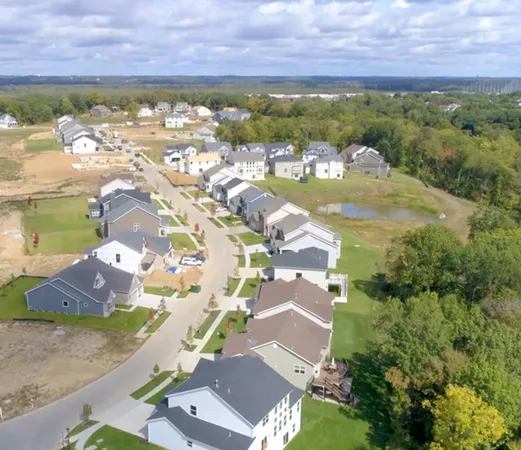
Start by considering your everyday priorities. Think about your commute, proximity to schools, shopping, restaurants, parks, and recreational opportunities. If you have children, research the local school district and nearby activities. If you're looking for a quieter lifestyle, consider communities with walking trails, green spaces, or convenient access to outdoor recreation.
It's also important to understand what each community offers. Some new home neighborhoods feature amenities such as playgrounds, splash pads, and common areas, while others focus on spacious homesites, quiet settings, or low-maintenance living.
McBride Homes offers new construction communities throughout the St. Louis metro area, including St. Louis County, St. Charles County, Jefferson County, and surrounding areas. With a variety of home styles, price points, and neighborhood settings, buyers can explore options that fit their individual needs.
McBride is committed to building communities to fit a range of lifestyles throughout the St. Louis region. With a variety of home styles, price points, locations, and an offering of focused amenities, buyers can explore community options that fit their individual needs.
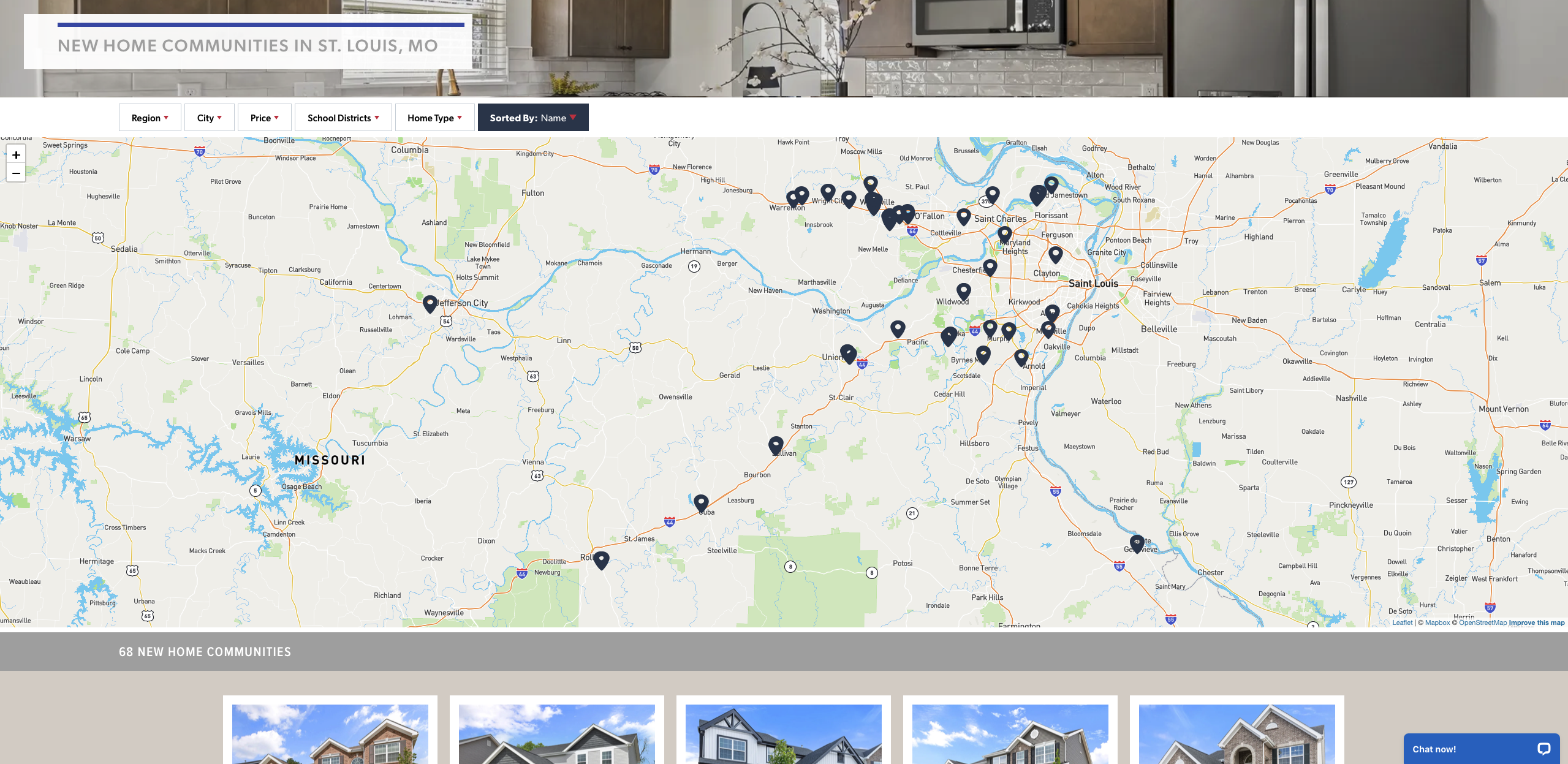
What Should You Consider When Selecting a Homesite?
Even within the same community, homesites can offer different advantages. As you review available lots, consider the size, shape, orientation, and location of each property.
For example, a homesite backing to common ground may appeal to buyers looking for additional privacy, while a corner lot may offer a different yard configuration. And a cul-de-sac home may offer a different community connection. Sun exposure is another consideration, especially if you enjoy spending time on your patio or want natural light in specific rooms.
Other factors to discuss with your New Home Sales Consultant include yard slope, driveway placement, neighboring homes, and any applicable homesite premiums.
Homebuyer Tip: Visit your preferred community at different times of day, if possible. This can give you a better understanding of the neighborhood, traffic patterns, and surrounding environment before making your selection.
3. Selecting Your Floor Plan and Structural Upgrades
When you've chosen a community and homesite, the next step is finding a floor plan that accommodates your lifestyle. One of the biggest benefits of building a new home is the ability to select a layout and explore available structural options before construction begins.
When comparing floor plans, think beyond your immediate needs. Consider how you'll use the space over the next several years, whether you need a home office, additional bedrooms, flexible living areas, or room for entertaining.
Which Structural Upgrades Should You Consider?
Structural upgrades are modifications to the home's layout or construction that typically need to be selected early in the new build process. Depending on the floor plan and community, these may include expanded living areas, luxury layout options, additional windows, optional bathrooms, or other modifications.
Some options, such as a finished lower level or plumbing rough-ins for a future bathroom, can also make your home more functional as your needs change.
Because structural modifications may involve foundations, framing, plumbing, or electrical systems, they can be more complicated and expensive to complete after construction.
How to Prioritize Your New Construction Upgrades
Before committing to upgrades, establish a realistic spending plan and identify which features are most important to your household.
Focus first on options that would be difficult to add later. For example, expanding a room or adding a structural feature during construction may be more practical than renovating your completed home.
Cosmetic changes, such as replacing light fixtures or adding decorative finishes, may be easier to complete after move-in. However, some buyers prefer to make these selections during construction to avoid future projects.
Your New Home Sales Consultant can help explain which structural options are available for your chosen floor plan, their associated costs, and when decisions must be finalized.
Secure Your Financing with Pre-Approval
You should also have pre-approved financing before finalizing your purchase agreement. Pre-approval confirms your budget and gives you clarity on your monthly payments which may affect your final structural decisions. McBride Homes works with HomeKey Mortgage as a preferred lender, offering competitive rates and a process designed to align with the new construction timeline.
Homebuyer Tip: Think about both your current lifestyle and future plans. Choosing the right layout and structural features upfront can help your home remain comfortable and functional for years to come, in addition to adding long-term value to your investment.
4. Personalizing Your Home at the Design Studio
One of the most enjoyable parts of buying a new construction home is selecting the finishes that make it your own. After signing your purchase agreement, you will be able to begin personalizing the interior of your new home.
Rather than inheriting someone else's style, you can coordinate materials, colors, and finishes to create a home that reflects your preferences from the day you move in.
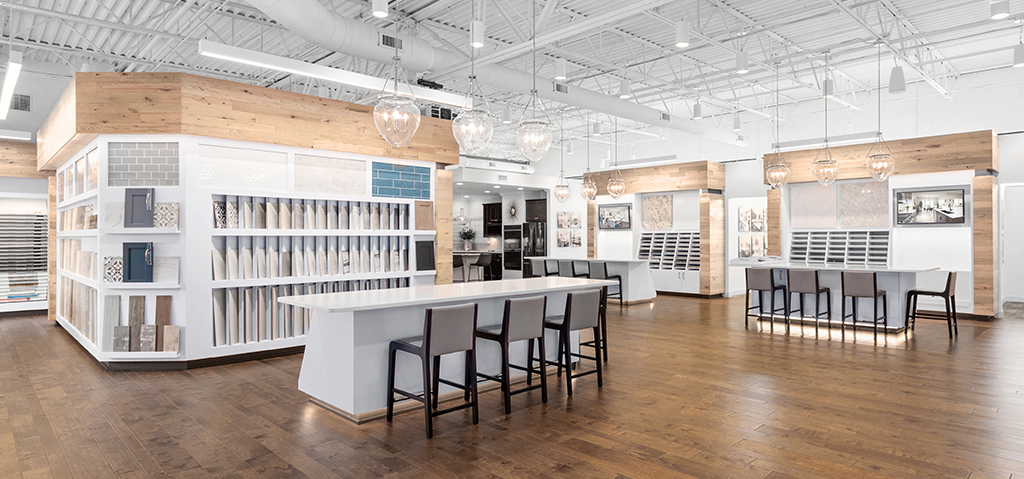
What Happens at a New Home Design Studio Appointment?
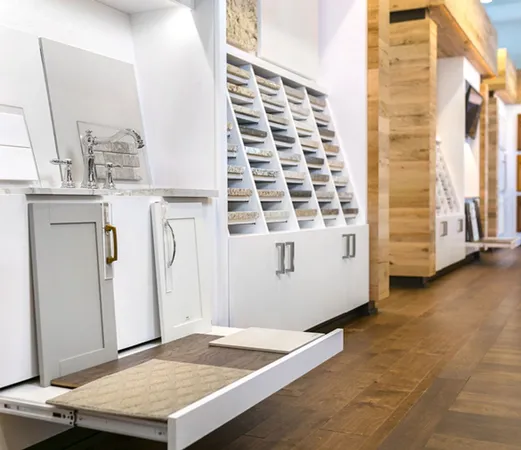
At McBride Homes, buyers visit the company's 10,000-square-foot Design Studio in Chesterfield, where they can explore a wide range of interior and exterior selections.
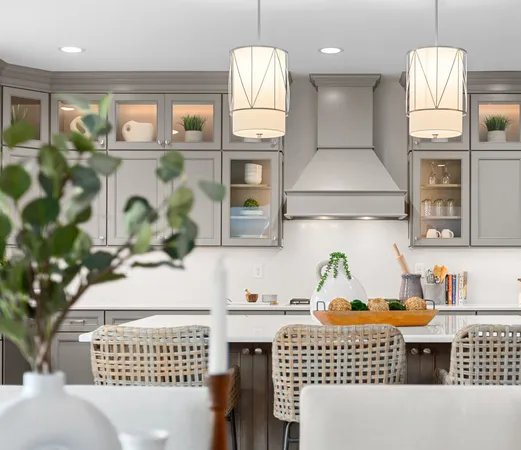
During two dedicated design appointments, a certified Design Consultant helps guide homeowners through available options, including cabinetry, countertops, flooring, paint colors, plumbing fixtures, and other finishes.
McBride's Design Studio features products from trusted brands such as Moen, Cambria, Sherwin-Williams, and GE, giving buyers the opportunity to compare materials and coordinate selections in one location.
Working with a professional Design Consultant can make the process less overwhelming, especially for first-time buyers, as they will be making several design decisions at once.
How Should You Prepare for Your Design Studio Visit?
Before your appointments, spend time identifying your preferred design style. Browse display homes, collect inspiration photos, and think about which finishes are most important to you.
It also helps to establish a design spending plan before your appointment. Decide where you want to invest in premium upgrades and where standard selections may meet your needs.
Consider how your choices will work together throughout the home. For example, coordinating flooring, cabinetry, countertops, and paint colors can help create a cohesive look.
While trends can provide inspiration, selecting durable materials and finishes that complement your personal style can help you enjoy your home for years to come.
Homebuyer Tip: Prioritize selections that affect large areas of your home, such as flooring and cabinetry. These finishes have a significant visual impact and may be more disruptive to replace after moving in.
5. Understanding the New Home Construction Process
After your community, homesite, floor plan, structural options, and design selections are finalized, your new home begins to take shape. For first-time new construction buyers, understanding the building process can make the experience more enjoyable and help set realistic expectations.
Unlike buying an existing home, where the property is already complete, new construction involves multiple phases of building, inspections, and quality checks before closing.
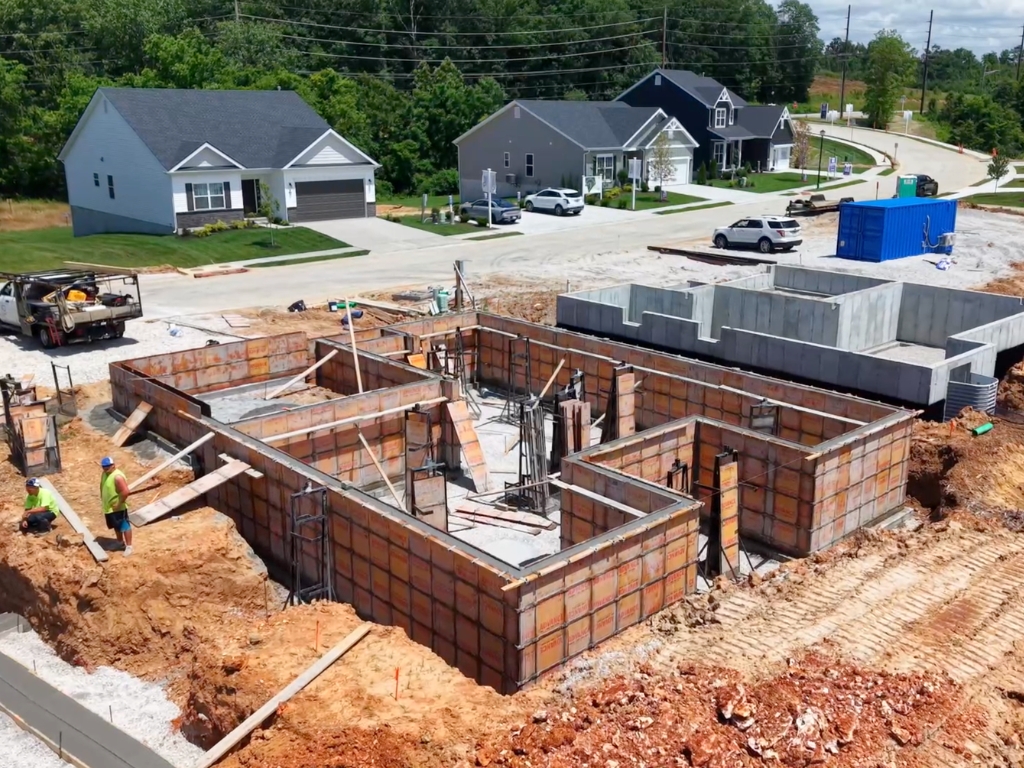
What Are the Main Stages of Building a New Home?
Although construction timelines vary depending on the home, weather, applicable permits, and other factors, the process generally includes several major stages.
Pre-Construction and Planning: Before work begins, your builder reviews the plans, homesite details, and construction requirements. At McBride Homes, this process includes a plot plan review meeting to help buyers understand how their home will be positioned on the property.
Foundation and Framing: Construction begins with site preparation and foundation work. Once the foundation is complete, framing creates the structure of the home, including exterior walls, interior walls, and the roof system.
Mechanical Systems and Pre-Drywall: Plumbing, electrical, and HVAC components are installed before drywall. This is an important stage because many of the systems that make your home functional will soon be concealed behind finished walls.
Interior and Exterior Finishes: After drywall installation, your home begins to look more like the finished product. Flooring, cabinets, countertops, fixtures, paint, and other design selections are installed as construction progresses.
Final Inspections and Home Orientation: As construction nears completion, the home undergoes inspections and final quality reviews before closing.
How Can You Stay Informed During Construction?
Communication is an important part of the new construction experience. Ask your builder which construction milestones include scheduled meetings, how progress updates are shared, and who to contact when questions arise.
McBride Homes follows a structured construction process with key checkpoints, including a pre-drywall meeting and New Home Orientation.
During the pre-drywall stage, buyers have an opportunity to learn more about the home's construction before interior walls are finished. This is a good time to ask any remaining questions about structural components, mechanical systems, and the final stages of the build.
Keep in mind that construction schedules can change due to weather, material availability, inspection schedules, or other circumstances. Maintaining flexibility and staying in communication with your builder can help you prepare for these adjustments.
What Happens During Your Final New Home Orientation?
Before closing, your builder will typically schedule a final walkthrough or home orientation. This meeting allows you to review the completed home, learn how its systems operate, and identify items that may need attention.
At McBride Homes, the New Home Orientation includes a review of workmanship and finished features, including cabinetry, countertops, flooring, fixtures, and other components.
Take this opportunity to ask questions about operating and maintaining your home's systems. You should also confirm that your selected features and finishes have been installed as documented.
Some buyers choose to hire an independent home inspector during construction or before closing. If you're considering this option, discuss inspection access and scheduling requirements with your builder in advance.
Homebuyer Tip: Keep your purchase agreement, design selections, construction documents, and warranty information organized throughout the process. These records can be helpful during your final orientation and after move-in.
In Conclusion: Start Your New Construction Home Journey with Confidence
Buying your first new construction home involves several important decisions, but understanding the process makes each step easier to navigate. From researching builder warranties and selecting the right homesite to choosing structural upgrades, personalizing finishes, and watching construction progress, each stage brings you closer to a home designed around your lifestyle.
The key is to ask questions, plan ahead, and work with a homebuilder who provides guidance throughout the experience.
With 80 years of homebuilding experience, McBride Homes has helped thousands of St. Louis families navigate the journey to new homeownership. From your first community visit to your final New Home Orientation, McBride's team is available to help you understand your options and make informed decisions.
Ready to get started? Explore McBride Homes' new home communities, tour available display homes, and connect with a New Home Sales Consultant to begin finding the right home for you.
FAQs About Buying Your First New Construction Home
Q: What is the first step in buying a new construction home?
A: Start by establishing your spending goals and researching new home communities in your preferred area. Consider your priorities for location, community amenities, and floor plan options. You can begin exploring home options online, but speaking with a New Home Sales Consultant will ensure you have the most up-to-date and comprehensive information. Getting pre-approved for financing early in the process can also help you understand your purchasing power.
Q: Can you choose your lot when building a new construction home?
A: Yes, when purchasing a to-be-built home, buyers can typically select from available homesites within their chosen community. Lot availability, premiums, and building requirements may vary. Consider factors such as yard size, sun exposure, privacy, and proximity to neighborhood amenities when making your selection.
Q: When do you choose structural upgrades for a new construction home?
A: Structural options are generally selected early in the purchasing process, before construction begins. These decisions may affect the home’s foundation, framing or mechanical systems, so they usually cannot be changed once construction is underway.
Q: What does a builder warranty typically cover on a new home?
A: McBride Homes’ builder warranty covers workmanship and materials for one year, mechanical systems like plumbing and HVAC for two years, and structural defects for up to ten years. This coverage is included with every new construction home, giving your family comprehensive protection from day one.
Q: Should I get a home inspection on a brand-new construction home?
A: Yes. Even new homes can have defects ranging from misinstalled ductwork to grading problems. An independent inspector evaluates quality beyond what municipal code inspections check. Scheduling an inspection before closing gives you the chance to address issues while the builder is still responsible.
Q: What do you choose at the Design Studio appointments?
A: Design Studio selections may include cabinets, countertops, flooring, paint colors, plumbing fixtures, and other interior finishes. McBride Homes provides two design appointments with a dedicated Design Consultant to help buyers coordinate their selections.
Q: How long does it take to build a new construction home?
A: Construction timelines vary based on the floor plan, community, permits, weather, and material availability. Your New Home Sales Consultant can provide an estimated timeline and explain important construction milestones. Buyers should remember that estimated completion dates may change as building progresses.
Q: What happens before closing on a new construction home?
A: Before closing, the builder completes required inspections and schedules a final walkthrough and home orientation. This meeting allows buyers to review their completed home, learn about its features and systems, and discuss any outstanding items before taking ownership.
For more information about McBride Homes communities, call (314) 888-HOME or visit www.mcbridehomes.com
With 80 years of experience, McBride Homes is Missouri's largest and most trusted homebuilders in the St. Louis region. Known for its commitment to quality craftsmanship, innovative designs, and unparalleled customer satisfaction, McBride Homes has helped thousands of St. Louis families realize their dream of homeownership. The company offers a wide range of homes and communities to suit every lifestyle, backed by a tradition of excellence and a focus on customer care.
 Chat
 Email
 Call
 Text